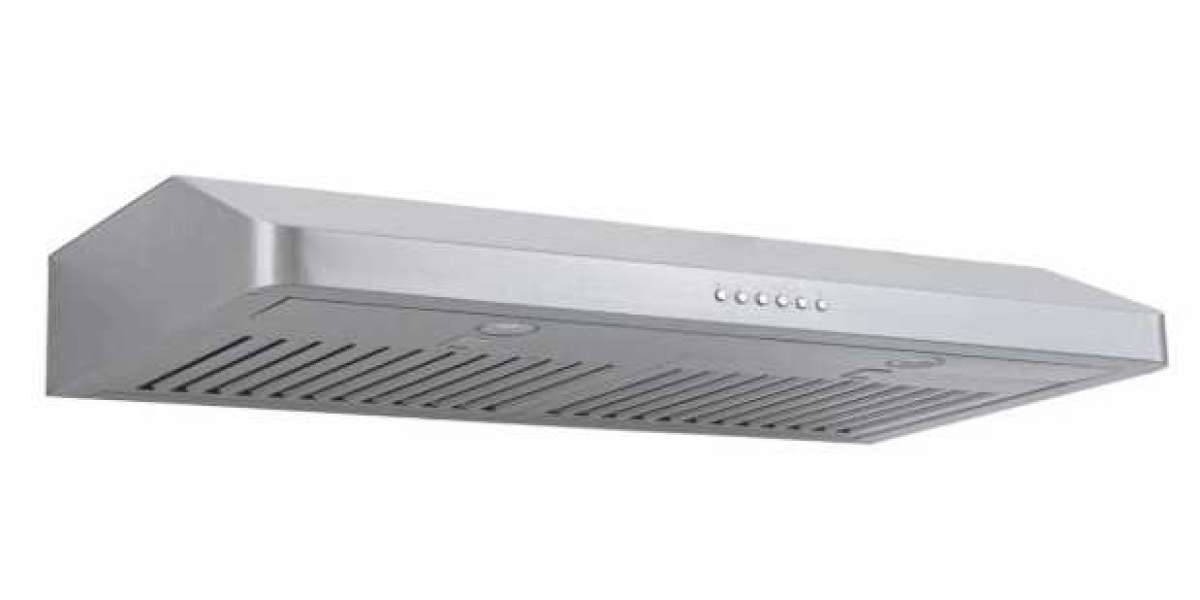

Installing a kitchen ventilation system requires careful planning and attention to detail, especially when aiming for optimal performance and durability. A properly installed exhaust hood not only enhances air quality but also improves the overall cooking experience. For homeowners upgrading their kitchens, choosing a 30 inch exhaust hood is a practical solution that balances power and space efficiency. However, achieving a seamless setup involves more than just mounting the unit. From correct measurements to proper ducting and electrical connections, every step plays a crucial role in ensuring effective ventilation and long-term functionality.
Planning The Installation Space Carefully
Before installing a 30 inch exhaust hood, it is essential to evaluate the kitchen layout and available space. Proper planning ensures that the hood fits perfectly above the cooking surface and aligns with cabinetry or wall structures.
Accurate measurements help avoid installation issues and ensure that the hood operates efficiently. The distance between the cooktop and the hood should be maintained according to manufacturer guidelines to achieve optimal airflow and safety.
Choosing The Right Ventilation Type
Selecting the correct ventilation type is critical for the performance of a 30 inch exhaust hood. Homeowners can choose between ducted and ductless systems based on their kitchen design and ventilation needs.
Ducted systems are more effective in removing smoke and odors, while ductless systems recirculate filtered air back into the kitchen. Understanding these options helps in making an informed decision that suits the specific requirements of the space.
Ensuring Proper Ductwork Installation
Ductwork plays a vital role in the efficiency of a 30 inch exhaust hood. Poorly installed ducts can restrict airflow and reduce the effectiveness of the ventilation system.
It is important to use the correct duct size and minimize bends to allow smooth air movement. Proper sealing of joints prevents leaks and ensures that smoke and odors are effectively expelled बाहर the kitchen.
Securing The Hood For Stability And Safety
A stable installation is crucial for the safe operation of a 30 inch exhaust hood. The unit should be securely mounted to the wall or cabinet using appropriate brackets and fasteners.
Ensuring proper support not only prevents accidents but also maintains the alignment of the hood over time. A well-secured hood operates more efficiently and provides consistent performance.
Electrical Connections And Power Supply
Proper electrical setup is essential for the functioning of a 30 inch exhaust hood. The unit should be connected to a reliable power source that meets its voltage and amperage requirements.
Hiring a qualified electrician can help ensure safe and compliant installation. Correct wiring prevents potential hazards and ensures that the hood operates smoothly without interruptions.
Testing Airflow And Performance
After installation, it is important to test the performance of the 30 inch exhaust hood. Checking airflow ensures that the system is effectively removing smoke, grease, and odors.
Any issues such as weak suction or unusual noise should be addressed immediately. Regular testing helps maintain optimal performance and identifies potential problems early.
Maintaining Proper Clearance And Alignment
Maintaining the correct clearance between the cooktop and the 30 inch exhaust hood is essential for both safety and efficiency. Improper alignment can reduce airflow and increase the risk of heat damage.
Following manufacturer recommendations ensures that the hood captures contaminants effectively while protecting surrounding surfaces. Proper alignment also contributes to a balanced and professional appearance.
Regular Maintenance For Long-Term Efficiency
Even after installation, regular maintenance is necessary to keep the 30 inch exhaust hood functioning efficiently. Cleaning filters and inspecting components helps prevent buildup and ensures consistent performance.
Routine maintenance not only extends the lifespan of the hood but also improves air quality in the kitchen. A well-maintained system continues to support a clean and comfortable cooking environment.
Conclusion
A seamless installation of a 30 inch exhaust hood requires careful planning, precise execution, and ongoing maintenance to ensure optimal performance and durability. From proper ducting to secure mounting and electrical setup, each step plays a crucial role in achieving effective ventilation. At Proline Range Hoods, we focus on delivering high-quality solutions that simplify installation while maximizing performance, helping homeowners create efficient and reliable kitchen environments.


