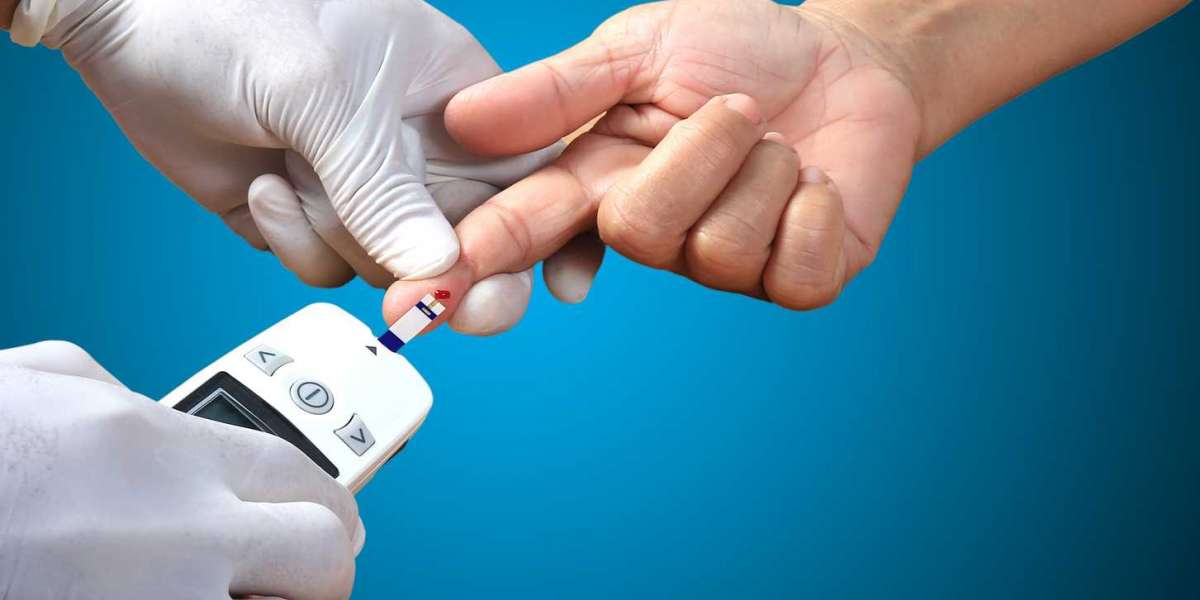

A blood sugar test is often associated with diagnosing diabetes, but its role in modern healthcare goes far beyond that narrow purpose. It is one of the most important preventive screening tools used to detect early metabolic changes before they develop into chronic disease. By measuring glucose levels in the bloodstream, it provides critical insight into how the body regulates energy and responds to insulin.
In the context of preventive healthcare, Blood Sugar Test Dubai helps identify early warning signs of conditions like Diabetes Mellitus, prediabetes, and insulin resistance. These conditions often progress silently, making early detection through routine testing essential for long-term health protection.
The Connection Between Blood Sugar and Overall Metabolic Health:
Blood sugar is not just a number on a lab report; it reflects the body’s metabolic balance. Glucose serves as the primary fuel for cells, while insulin acts as the regulator that ensures glucose is properly absorbed and utilized.
When this system functions smoothly, energy levels remain stable. However, when insulin sensitivity decreases or insulin production becomes insufficient, blood glucose begins to rise. Over time, this imbalance affects multiple organs, including the heart, kidneys, nerves, and eyes.
Preventive healthcare focuses on identifying this imbalance early through regular blood sugar testing, allowing intervention before permanent damage occurs.
Why Preventive Healthcare Relies on Blood Sugar Testing?
Preventive healthcare aims to detect diseases before symptoms appear. Blood sugar testing fits perfectly into this approach because metabolic disorders often develop gradually and remain undetected for years.
Many individuals with early-stage glucose imbalance feel completely healthy. Without routine testing, they may only discover the issue after complications arise. This delay reduces treatment effectiveness and increases long-term health risks.
Routine blood glucose screening helps healthcare providers identify trends, monitor risk factors, and recommend timely lifestyle changes that can prevent progression to full-blown diabetes.
How Blood Sugar Testing Helps Detect Early Risk Conditions?
One of the most important contributions of blood sugar testing is its ability to detect prediabetes, a reversible stage of glucose dysfunction. At this stage, blood sugar levels are higher than normal but not yet in the diabetic range.
Early identification allows individuals to make meaningful changes such as improving diet, increasing physical activity, managing stress, and maintaining a healthy weight. These interventions can significantly reduce the risk of developing chronic metabolic disease.
Blood sugar testing also helps identify insulin resistance, a condition where the body’s cells become less responsive to insulin. This is often an early warning sign before the onset of diabetes.
Types of Blood Sugar Tests Used in Preventive Screening:
Preventive healthcare uses multiple types of blood sugar tests to evaluate different aspects of glucose metabolism.
Fasting Blood Sugar Test:
The fasting blood sugar test measures glucose levels after 8–12 hours without food. It provides a baseline assessment of how the body maintains blood glucose levels in a resting state.
Random Blood Sugar Test:
A random blood sugar test can be performed at any time of the day. It is useful for quick screening, especially when symptoms such as fatigue or frequent urination are present.
Postprandial Blood Sugar Test:
This test measures blood glucose two hours after eating. It helps evaluate how efficiently the body processes dietary carbohydrates.
HbA1c Test:
The HbA1c test provides an average blood sugar level over the past two to three months. It is one of the most reliable tools for long-term metabolic assessment and is widely used in preventive healthcare programs.
Oral Glucose Tolerance Test:
This test measures how the body responds to a controlled glucose load. It is especially useful for detecting gestational diabetes and early metabolic dysfunction.
Who Benefits Most from Regular Blood Sugar Testing?
Although blood sugar testing is beneficial for everyone, certain groups gain even greater value from regular screening.
Individuals with a family history of Diabetes Mellitus are at higher risk due to genetic predisposition. People who are overweight or physically inactive also face increased chances of developing glucose imbalance.
Other high-risk groups include adults over 35, individuals with high blood pressure, those with abnormal cholesterol levels, and people experiencing chronic stress or poor sleep.
Women who have experienced gestational diabetes are also advised to undergo regular screening, as they have a higher risk of developing type 2 diabetes later in life.
How Blood Sugar Testing Supports Early Lifestyle Intervention?
One of the most powerful aspects of blood sugar testing is that it enables early lifestyle intervention. When abnormal glucose levels are detected early, individuals can make changes that significantly improve long-term health outcomes.
Diet plays a central role in blood sugar control. A balanced eating pattern that includes whole grains, vegetables, lean proteins, and healthy fats helps maintain stable glucose levels throughout the day.
Physical activity enhances insulin sensitivity, allowing the body to use glucose more effectively. Even moderate exercise, such as walking or cycling, can produce measurable improvements.
Stress management is equally important, as chronic stress increases cortisol levels, which can raise blood sugar. Sleep quality also influences hormone balance and metabolic stability.
The Role of Blood Sugar Testing in Chronic Disease Prevention:
Preventive healthcare is focused on reducing the burden of chronic diseases, and blood sugar testing is a key component of this strategy. By identifying metabolic imbalance early, it helps prevent complications such as cardiovascular disease, kidney failure, neuropathy, and vision problems.
Uncontrolled blood glucose levels over time can damage blood vessels and nerves throughout the body. Early detection allows for timely intervention, reducing the likelihood of irreversible damage.
This proactive approach not only improves health outcomes but also reduces long-term healthcare costs and dependency on complex medical treatments.
Blood Sugar Monitoring and Modern Preventive Technology:
Advancements in medical technology have made blood sugar monitoring more accessible and effective. Portable glucometers allow individuals to check their glucose levels at home within seconds.
Continuous glucose monitoring systems provide real-time data, showing how blood sugar fluctuates throughout the day. This helps individuals understand the impact of food choices, physical activity, stress, and sleep on their metabolic health.
These tools empower people to take control of their health and make informed decisions based on real-time feedback.
Common Misunderstandings About Preventive Blood Sugar Testing:
Despite its importance, several misconceptions still prevent people from using blood sugar testing effectively.
One common misunderstanding is that testing is only necessary after symptoms appear. In reality, preventive healthcare focuses on identifying risks before symptoms develop.
Another misconception is that sugar intake alone determines diabetes risk. While diet plays a role, genetics, lifestyle, and metabolic health are equally important factors.
Some people also believe that a single normal test result guarantees lifelong protection. However, blood sugar levels can change over time due to aging, lifestyle shifts, and health conditions.
Integrating Blood Sugar Testing into Routine Health Checkups:
For preventive healthcare to be effective, blood sugar testing should be part of routine medical checkups. Regular screening helps track changes over time and identify early warning signs of metabolic imbalance.
Healthcare providers often recommend annual testing for low-risk individuals and more frequent monitoring for those with risk factors.
Combining blood sugar testing with other health screenings such as cholesterol, blood pressure, and body mass index provides a more complete picture of overall health.
The Long-Term Impact of Preventive Blood Sugar Testing:
The long-term benefits of regular blood sugar testing extend far beyond diabetes prevention. It contributes to better energy levels, improved cognitive function, stable weight management, and reduced risk of chronic disease.
By identifying metabolic issues early, individuals can take proactive steps to maintain long-term wellness rather than reacting to illness after it develops.
This shift from reactive treatment to preventive care represents one of the most important advancements in modern healthcare.
Conclusion: Building a Healthier Future Through Early Detection
A blood sugar Lab tests is one of the simplest yet most powerful tools in preventive healthcare. It provides early insight into metabolic health, helps detect risk conditions before they become serious, and supports long-term disease prevention strategies.
By incorporating regular blood glucose screening into routine health checkups, individuals can take control of their well-being and significantly reduce the risk of chronic illness, including Diabetes Mellitus.
Preventive healthcare is not about waiting for symptoms; it is about acting early. Blood sugar testing plays a central role in that proactive approach, making it an essential part of lifelong health management.


